

Health Corner

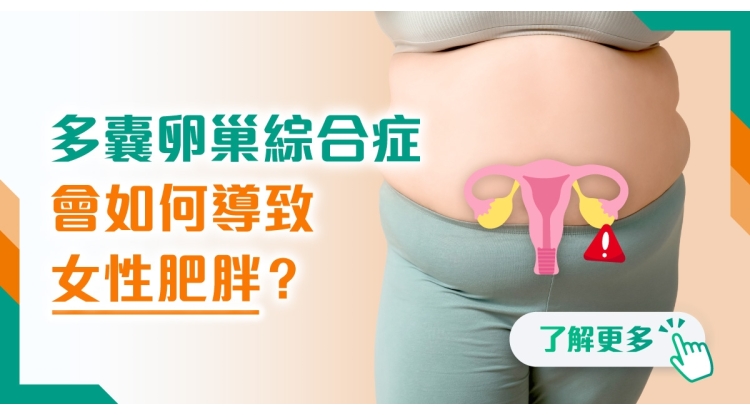
How Does Polycystic Ovary Syndrome (PCOS) Cause Obesity in Women?
What Is Polycystic Ovary Syndrome?
Polycystic ovary syndrome is a common endocrine disorder affecting women of reproductive age, impacting about 7-10% of women.
Why Does PCOS Often Lead to Obesity?
-
Hormonal imbalance: Elevated male hormones (androgens) alter fat storage, causing fat to accumulate primarily in the abdomen.
-
Blood sugar issues: Poor insulin response keeps blood sugar high, promoting more fat storage.
-
Vicious cycle: Obesity worsens hormonal disruption, creating a loop of "more weight gain leads to poorer ovulation, and poor ovulation leads to more weight gain."
Research shows about 70% of patients are overweight, especially with central "apple-shaped" obesity.
Unique Features of PCOS-Related Obesity
-
Abdominal focus: Fat builds up mainly around the belly and waist, not hips or thighs.
-
Hard to lose, easy to gain: Weight resists diet control; it rebounds quickly with any lapse.
-
Accompanying symptoms:
-
Infrequent or absent periods.
-
Excess hair growth (face, chest, abdomen), acne.
-
Hair thinning or oily scalp.
-
Infertility or difficulty conceiving.
-
How to Effectively Manage PCOS-Related Obesity
-
Key to weight loss: Losing 5-8% of body weight improves ovulation in 70% of cases and boosts insulin sensitivity.
-
Diet adjustments:
-
Low-GI foods (brown rice, oats, beans, vegetables) to stabilize blood sugar.
-
High protein (chicken breast, fish, eggs, tofu) for better satiety.
-
Cut refined sugars and processed foods.
-
-
Exercise plan:
-
150 minutes of cardio weekly (brisk walking, swimming).
-
Strength training 2-3 times/week, focusing on core muscles.
-
-
Medications: Doctors may prescribe metformin for insulin resistance or oral contraceptives for hormone regulation.
How to Prevent and Detect PCOS Early
-
High-risk screening:
-
Periods absent for 3 months.
-
Post-puberty hirsutism, acne, or obesity.
-
Stubborn abdominal fat plus family diabetes history.
-
-
Regular checks: Ovarian ultrasound and blood tests for hormones and glucose.
Weight Management Tips for Women with PCOS
-
Avoid extreme dieting, which disrupts hormones and causes binge rebounds.
-
Eat regularly: 3 main meals + 2 snacks to stabilize blood sugar and curb hunger.
-
Get enough sleep, as poor sleep worsens insulin resistance.
PCOS can seriously impact women's weight and fertility. If you notice irregular periods or unexplained obesity, seek medical evaluation promptly for thorough assessment and early treatment to prevent long-term complications.