

Health Corner

Precautions for getting weight loss injections
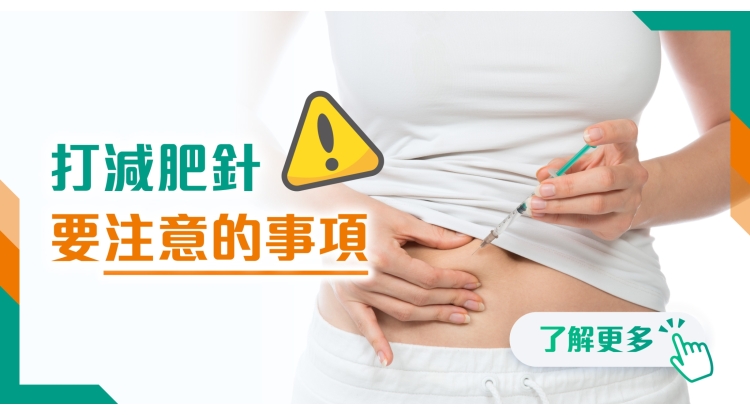
Before undergoing weight-loss injections, a comprehensive assessment of individual health conditions and long-term effects is essential to avoid serious adverse consequences due to immediate results.
Suitable Individuals and Contraindications
Weight-loss injections are not suitable for everyone. They are absolutely contraindicated for individuals with gastrointestinal ulcers, kidney failure, a history of pancreatitis, or a family history of medullary thyroid carcinoma. Pregnant women, women planning pregnancy, and breastfeeding women are prohibited from using them.
Those with a BMI below 27 and no comorbidities have limited effectiveness and higher risks. Individuals over 65 years of age, and those with heart disease or severe liver disease require special medical permission. All users must undergo blood tests for evaluation beforehand.
BMI Calculator:
https://humanhealth.com.hk/en/healthinfo/category/bmi/
Strict Legal Regulation in Hong Kong
Weight-loss injections are classified as Class 1 dangerous drugs in Hong Kong. Purchasing, possessing, or selling them without a doctor's prescription violates the Pharmacy and Poisons Ordinance, with a maximum fine of HK$100,000 and imprisonment for 2 years for both the buyer and seller.
The prevalence of counterfeit drugs online poses serious safety risks. Drugs without Hong Kong drug registration numbers, or of unknown origin are subject to serious safety hazards. Pharmaceutical manufacturers have reported these issues to the Department of Health and Customs. Prescriptions from licensed doctors are mandatory.
Serious Side Effects and Sequelae
Gastrointestinal Reactions: Approximately 40% of users experience nausea, vomiting, diarrhea, or constipation initially.
Nervous System: Dizziness and fatigue are common.
Hypoglycemia: Occurs in approximately 23% of diabetic patients, accompanied by sweating and palpitations.
Injection Site: Local redness, swelling, itching, or mild pain.
Relief Methods: Most symptoms subside within several weeks. Start with a low dose, eat small, frequent meals, and maintain a bland diet.
Serious Side Effects and Sequelae
Acute Pancreatitis: Severe abdominal pain and persistent vomiting, requiring emergency treatment.
Gallbladder Disease: Gallstone formation, right upper quadrant pain, and indigestion.
Cardiocardiac Problems: Irregular heartbeat, palpitations, or abnormal blood pressure.
Severe Allergic Reactions: Difficulty breathing, Facial swelling, generalized rash
Mood changes: Depression, anxiety, suicidal tendencies (reported rate 1-5%)
Long-term risks:
Thyroid C-cell tumor: Warning in animal studies, indicated by a black border on the packaging
Deteriorating kidney function: Increased renal burden for long-term users
Recurrence of pancreatitis: Increased risk of recurrent attacks
Weight rebound: Rapid return to original weight within months of discontinuation
Nutritional imbalance: Appetite suppression leading to vitamin and mineral deficiencies
Pre- and post-use management
Before use: Check liver and kidney function and baseline blood glucose; learn proper injection and storage ; record weight weekly, follow up monthly for blood indicators; consider discontinuing medication if weight loss is less than 5% within 3 months.
After discontinuation: Maintain a low-calorie diet, 150 minutes of exercise per week to prevent rebound, and have regular checkups to monitor endocrine changes. Long-term health management is better than short-term injection dependence.
If you have any questions about weight loss injections or would like to make an appointment, feel free to WhatsApp 9669 5760 or call 2371 6400.