Health Corner

Know more about HPV Vaccine
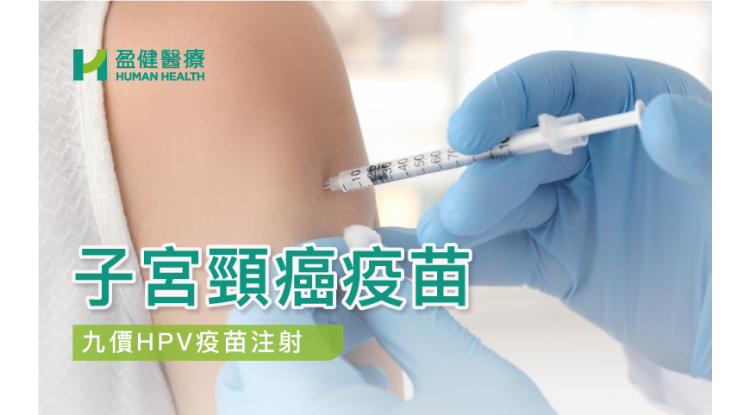
More details for HPV vaccination
 What Is the Relationship Between Cervical Cancer and HPV?
According to the Hospital Authority’s 2016 data, there are 510 new cases of cervical cancer and 151 deaths each year in Hong Kong.
Human papillomavirus (HPV) is one of the major causes of cervical cancer. Women aged 26–30 and 46–55 are at the highest risk of infection.
Both men and women can become infected with HPV and develop related diseases.
Once infected, HPV can cause the following conditions:
| Men | Women |
|---|---|
| Anal cancer | Anal cancer |
| Genital warts (condyloma acuminatum) | Genital warts (condyloma acuminatum) |
| May transmit HPV to partner, increasing their risk of cancer or warts | Vulvar cancer, vaginal cancer, and cervical cancer |
How Can Cervical Cancer Be Prevented?
-
Quit smoking and avoid secondhand smoke.
-
Use condoms to reduce the risk of HPV transmission.
-
Undergo regular cervical screening (Pap smear).
-
Get vaccinated with the HPV vaccine (also known as the cervical cancer vaccine).
About the Cervical Cancer (HPV) Vaccine
The human papillomavirus (HPV) vaccine—also known as the cervical cancer vaccine—is a preventive vaccine that protects against cervical cancer and other HPV-related diseases.
Both men and women can receive the vaccine.
In Hong Kong, two types of prescription HPV vaccines are commonly available:
-
Quadrivalent HPV vaccine (4-in-1)
-
9-valent HPV vaccine (9-in-1)
Both require prescription and administration under medical supervision.
The 9-valent vaccine protects against 9 HPV types responsible for about 80–90% of HPV-related cancers and diseases, making it a more comprehensive choice.
It also helps prevent genital warts and can be given to both women and men.
| Type | HPV Types Covered | Recommended Age | Dosage Schedule |
|---|---|---|---|
| Quadrivalent (4‑in‑1) | 6, 11, 16, 18 | From age 9 (male & female) | 9–13 years: 2 doses / 14+ years: 3 doses |
| 9-valent (9‑in‑1) | 6, 11, 16, 18, 31, 33, 45, 52, 58 | From age 9 (male & female) | Before Oct 31, 2016: 9+ years – 3 doses / After Oct 31, 2016: 9–14 years – 2 doses, 15+ years – 3 doses |
Frequently Asked Questions
1) How many doses are required for the cervical cancer (HPV) vaccine?
According to manufacturer guidelines, three doses are administered over six months: at 0, 2, and 6 months (i.e., two and four months apart).
2) Which pharmaceutical company produces the vaccine? Are there new and old versions?
The vaccine used is Gardasil 9, produced by Merck & Co. (MSD), USA.
There is only one version—the so‑called “new” and “old” batches refer only to packaging differences.
All vaccines are legally sourced, original manufacturer products, properly stored and transported, and within valid expiry dates.
3) What’s the difference between two and three doses?
According to Hong Kong’s Department of Health, adolescents aged 9–14 only need two doses, while those aged 15 and above should receive three doses to achieve the same level of immunity.
4) Who should get the HPV vaccine?
The vaccine is most effective for individuals who have not been infected with HPV.
However, women who are sexually active or have given birth are also encouraged to receive it.
Because the vaccine protects against at least four HPV types, and most women are not infected with all of them simultaneously, vaccination remains beneficial.
5) Can I get vaccinated during pregnancy?
Important notes:
-
You can become pregnant immediately after completing the three-dose vaccination course.
-
Vaccination during pregnancy is not recommended.
-
It is safe to receive the vaccine after childbirth or while breastfeeding.
6) Are there side effects?
The HPV vaccine is generally safe.
Common mild side effects include redness, swelling, or pain at the injection site, mild fever, headache, or nausea.
Individuals who have had severe allergic reactions to any vaccine ingredient should not receive it.
If in doubt, consult your doctor.
Hong Kong’s Department of Health operates a pharmacovigilance system to monitor vaccine safety.
7) Do I still need cervical cancer screening after vaccination?
Yes.
Even after vaccination, women should continue regular Pap smear screening, as the vaccine cannot treat preexisting HPV infections or protect against HPV types not covered by the vaccine.