


Health Corner

Novel Coronavirus Infection
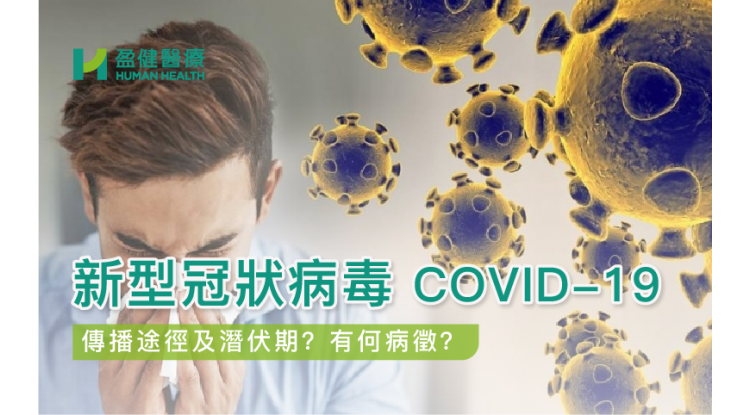
What Is the Pathogen?
“Severe Respiratory Disease associated with a Novel Infectious Agent” refers to a cluster of viral pneumonia cases that first appeared in Wuhan, Hubei Province.
According to health authorities in Mainland China, the pathogen responsible is a new type of coronavirus.
What Are the Symptoms?
Reported symptoms include fever, fatigue, dry cough, and breathing difficulties.
Some patients may experience severe illness.
Older adults or individuals with chronic medical conditions are at higher risk of developing serious complications.
How Does It Spread? What Is the Incubation Period?
The primary mode of transmission is through respiratory droplets, though contact transmission can also occur.
Current information suggests the incubation period ranges from 1 to 12.5 days, with a median of 5–6 days, and may last up to 14 days in some cases.
How Can It Be Treated?
There is currently no specific antiviral treatment.
Care is mainly supportive, focusing on symptom relief and maintaining organ function.
How Can It Be Prevented?
There is no vaccine for this novel coronavirus at the moment.
To prevent pneumonia and respiratory infections, the public should maintain good personal and environmental hygiene through the following measures:
-
Wear a surgical mask when taking public transportation or visiting crowded places.
Always keep your hands clean before putting on or removing a mask. -
Wash hands frequently, especially before touching your mouth, nose, or eyes; before eating; after using the toilet; after touching public installations such as handrails or door handles; or after contact with respiratory secretions (for example, after sneezing or coughing).
-
Maintain drainage and sewer hygiene by pouring about half a liter of water into each floor drain (U-trap) once a week to keep it filled and prevent the spread of germs.
-
Close the toilet lid before flushing to avoid the dispersal of germs.
-
Wash hands properly using liquid soap and water for at least 20 seconds, rinse thoroughly, and dry with a paper towel.
If washing facilities are not available and hands are not visibly soiled, use a 70–80% alcohol-based hand sanitizer instead. -
Cover your mouth and nose with tissue when sneezing or coughing. Dispose of the used tissue in a covered rubbish bin at once, then wash hands thoroughly.
-
If respiratory symptoms appear, wear a surgical mask, avoid work or school, stay away from crowded places, and seek medical advice promptly.
Preventive Measures When Travelling Abroad
-
Avoid travelling to Hubei Province or other areas with community transmission of the novel coronavirus.
-
In affected countries or regions, avoid close contact with people who have fever or respiratory symptoms.
If contact is unavoidable, wear a surgical mask and continue wearing it for 14 days after returning to Hong Kong. -
Avoid visiting hospitals unless necessary. If you must go, wear a surgical mask and practice strict hand hygiene.
-
Avoid contact with animals, including wild game, birds, or animal droppings.
-
Avoid wet markets, live poultry markets, or farms.
-
Stay away from people with acute respiratory symptoms.
-
Do not eat wild animals or patronize restaurants that serve them.
-
Ensure food safety and hygiene by avoiding raw or undercooked animal products (such as milk, eggs, or meat), or any food possibly contaminated by animal secretions, excretions (e.g., urine), or products—unless it has been properly cooked, washed, or peeled.
-
If you feel unwell while abroad, especially with fever or cough, wear a surgical mask, notify hotel staff or your tour guide, and seek medical care immediately.
-
After returning to Hong Kong, if you develop fever or any symptoms, see a doctor promptly and inform them about your recent travel history and possible animal contact. Wear a mask to avoid transmitting illness to others.
Source: Centre for Health Protection


